Elipacko Wholesale
Produce Crates — PP Produce Crates — Wholesale Farm-to-Market Containers
Polypropylene produce crates for farm, market, and distribution. Ventilated, stackable, reusable. Replace cardboard boxes with PP that lasts 50+ harvests.
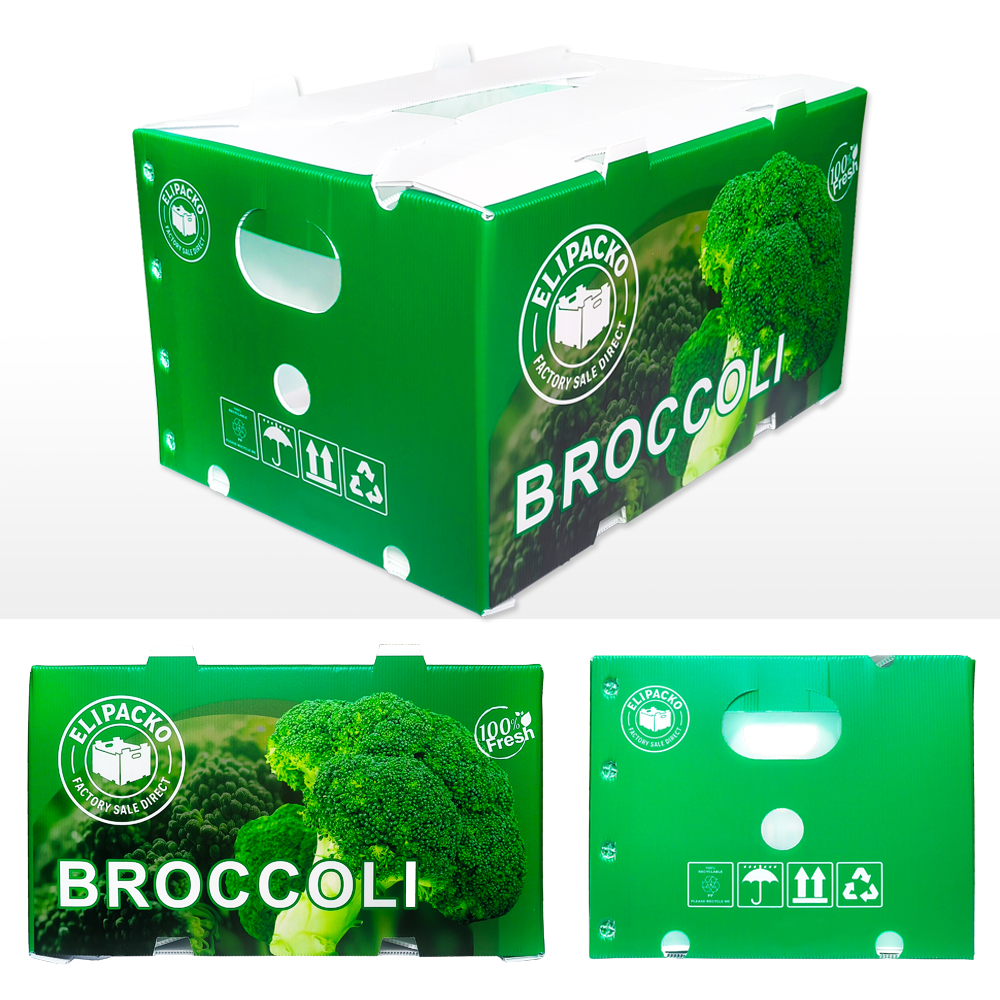
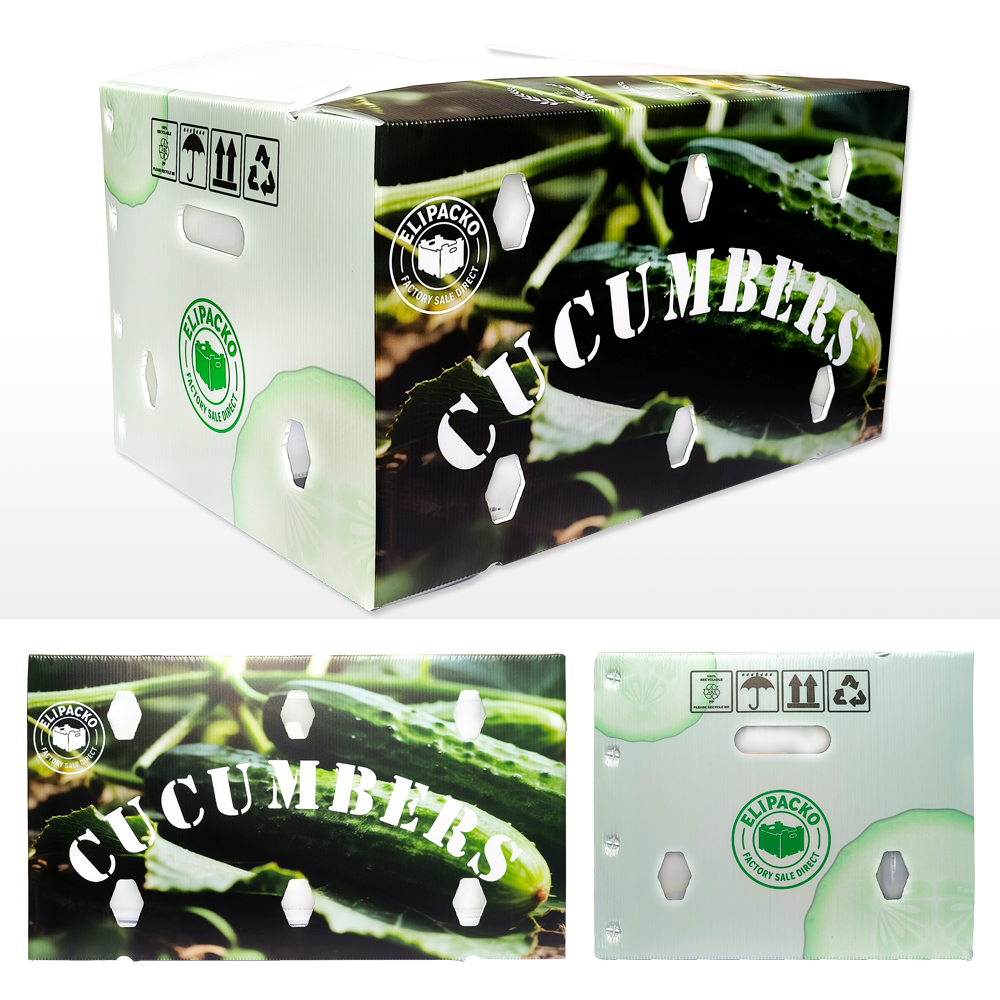
Elipacko Wholesale
Polypropylene produce crates for farm, market, and distribution. Ventilated, stackable, reusable. Replace cardboard boxes with PP that lasts 50+ harvests.
PP produce crates handle the full chain — field harvest, pack house, transport, retail display.
No moisture damage — produce stays protected even with wet product or ice.
Reuse across 50+ harvest cycles. PP produce crates pay for themselves fast.
Custom colors per crop type for instant visual sorting at the pack house.
Pressure wash between uses. No mold, no odor carryover between products.
PP not subject to US anti-dumping duty.
| Property | Value |
|---|---|
| Material | PP corrugated |
| Ventilation | Perforated walls or open slats |
| Capacity | 30–60 lbs typical |
| Stacking | 5–8 high |
| Colors | Any — custom per crop |
| MOQ | Container load |
| Duty | 0% ADD (Thailand mfg. — rates change; confirm with customs broker) |
| Reuse Cycles | 50+ |
All specifications confirmed at quote stage. Contact Elipacko.com for custom requirements.
Plastic PP produce crates for farm harvest, pack house, and distribution. Reusab...
Reusable PP produce crates vs cardboard. Cost per use, harvest count, and total ...
Wholesale PP vegetable crates for farms, co-ops, and distributors. Custom color,...
PP ventilated fruit crates for harvest and distribution. Available for berries, ...
Standard produce crate dimensions for common crops. Custom sizes and vent patter...
PP produce boxes for farm harvest operations. Built for field use, pack house, a...
Buy PP produce crates wholesale direct from Elipacko. 0% anti-dumping duty (Thailand-manufactured), cont...
Polypropylene corrugated produce crates represent the most significant upgrade available to procurement teams still running single-use cardboard. The material is waterproof, structurally consistent, forklift-compatible, and designed for 50-100 reuse cycles. For industries in agriculture, fresh produce, retail distribution, the switch from cardboard to PP corrugated typically pays for itself within one production season.
This guide covers everything buyers need to know about sourcing, specifying, and getting maximum value from produce crates: material specs, industry applications, import duty considerations, and how to evaluate suppliers in a market full of resellers moving low-quality imports.
The comparison between PP corrugated and cardboard isn't close in any environment where moisture, temperature variation, repeated use, or forklift handling is involved. Here's the breakdown:
| Property | PP Corrugated | Cardboard |
|---|---|---|
| Water resistance | 100% waterproof | Fails rapidly |
| Reuse cycles | 50-100 | 1 |
| Forklift compatible | Yes (designed for it) | Limited, degrades fast |
| Cleanable | Fully washable | No |
| Food-grade options | FDA 21 CFR compliant | Limited |
| ISPM-15 required | No | No (but wood components do) |